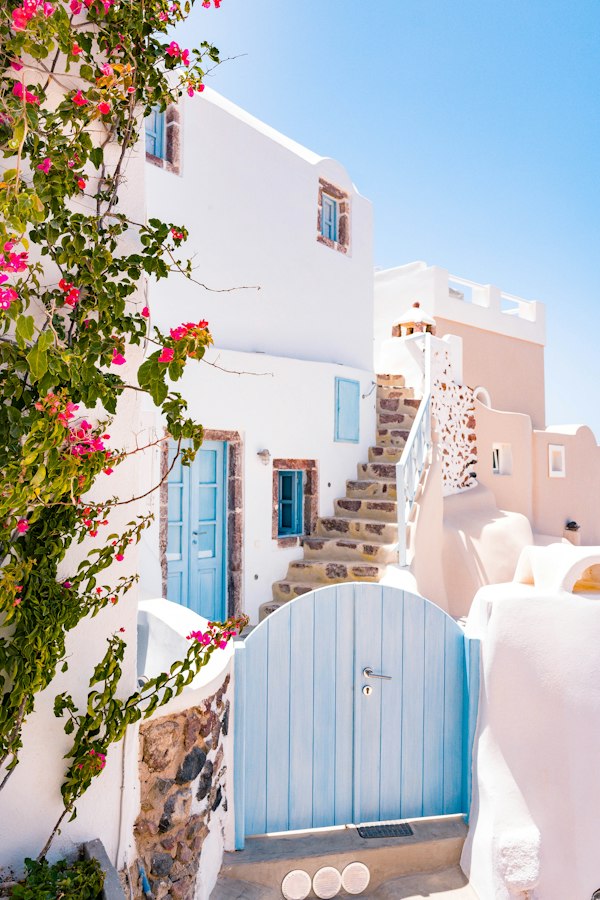
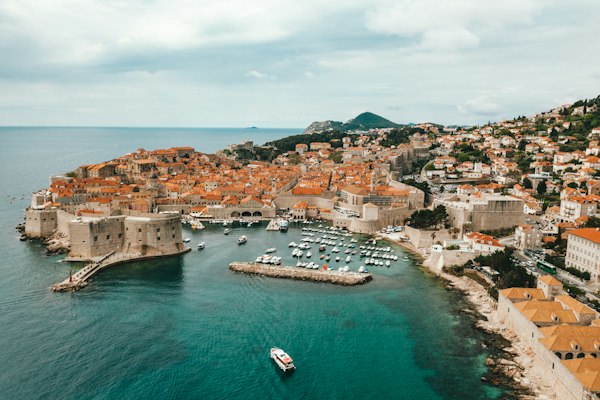
The photographs don't lie, exactly — the white cube houses, the blue domes, the caldera dropping to a sea so blue it borders on implausible. But they don't tell the full story either. In July and August, the clifftop towns of Fira and Oia become genuinely difficult. Cruise ships deposit thousands of daytrippers before lunch. The famous sunset at Oia is now watched by a crowd that starts forming three hours early.
None of this means you shouldn't go. It means you should go with a strategy. Santorini rewards the traveller who knows which village to base themselves in, which beaches are worth the effort, and which three hours of the day to avoid the main towns entirely.
Where to Stay
Oia gets the most attention, but Imerovigli — the highest point on the caldera rim, between Fira and Oia — offers comparable views with noticeably fewer people. Pyrgos, the island's highest village, has excellent restaurants and a medieval atmosphere that feels entirely separate from the tourist circuit. For families or those who want a beach base, Akrotiri on the southern tip is underrated.
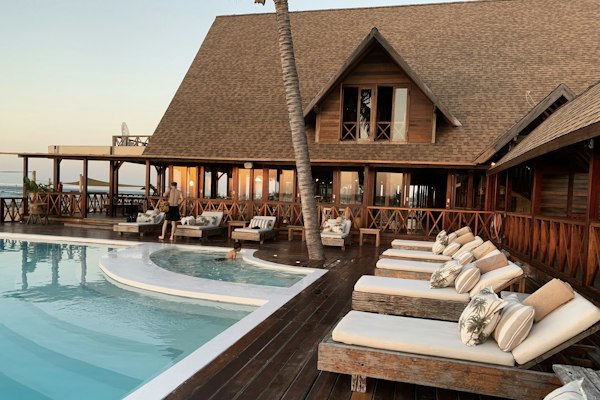
Recommended Stay · Oia · Santorini
Canaves Oia Epitome
Cave suites carved into the caldera cliff with infinity pools that appear to pour into the Aegean. Intimate, architectural, and positioned for the finest sunset view on the island. One of the best hotels in Greece.
Affiliate link — I earn a small commission if you book, at no cost to you.
The Beaches
Santorini's volcanic beaches are unlike any in the Mediterranean. Red Beach, near Akrotiri, has dramatic russet cliffs. Perissa and Perivolos are long stretches of black volcanic sand with good infrastructure. Vlychada, on the south coast, has white pumice cliffs sculpted by wind erosion into something approaching surrealism. None of them have the clear turquoise water of the Cyclades' sandier islands — the volcanic seabed colours everything deeper.
What to Eat
Santorini's wine — particularly the Assyrtiko white grape — is one of the great undiscovered pleasures of Greek dining. The volcanic soil gives the wine a mineral intensity that pairs perfectly with seafood. Santo Wines, with its caldera-view terrace, is touristy but worth it for the setting. For food, skip the caldera-view restaurants (which charge for the view, not the kitchen) and eat in Pyrgos or Megalochori instead.