There is a moment, usually around dawn on the terrace of a clifftop hotel, when the Amalfi Coast looks exactly as beautiful as every photograph promised. The sea goes from black to silver to a blue so intense it feels almost aggressive. You understand, finally, why people keep coming back.
The challenge is getting there. In July and August, the SS163 — the cliff-hugging coastal road that connects the towns — becomes a slow-moving procession of coaches, hire cars, and bewildered pedestrians. The villages fill up. The hotels triple their rates. And that terrace at dawn becomes a queue for a sun lounger by nine.
This guide is about visiting the Amalfi Coast on your own terms — when to go, where to base yourself, and the smaller choices that make the difference between a holiday and an experience worth writing home about.
"The light here doesn't just illuminate things — it transforms them. Stone walls turn to gold. White houses shimmer. Even the lemons glow."
When to Go
The coast is at its best in May, early June, and September. The water is warm enough to swim, the roads are manageable, and the restaurants haven't yet switched to their abbreviated summer menus. Late September into October is increasingly popular — the light turns amber and the hillside terraces start to empty.
Where to Stay
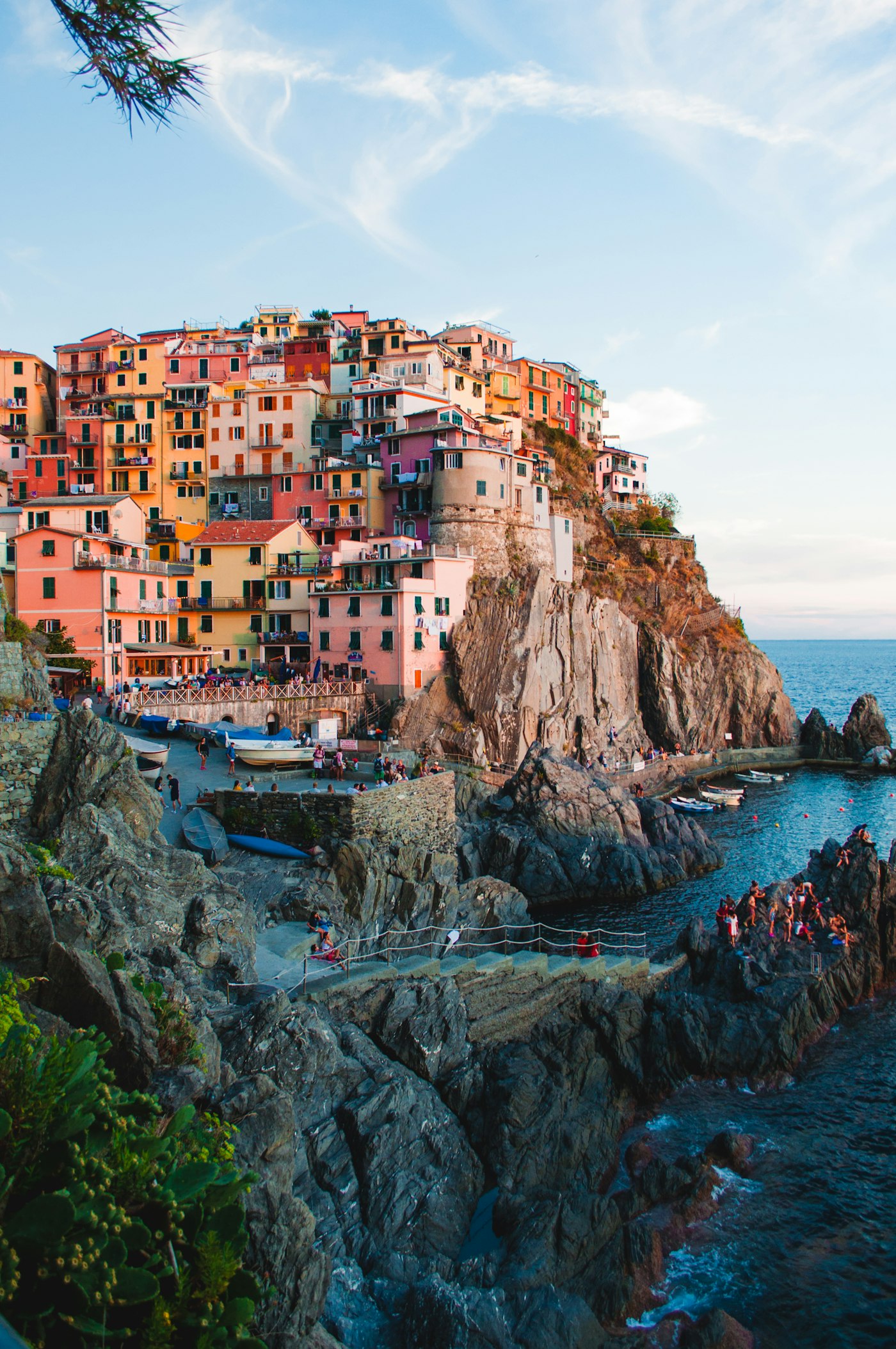
Your base determines your entire experience. Positano is the most photographed — all cascading pastel houses and boutiques selling lemon-print linen. It's beautiful and it knows it. Amalfi town has the cathedral and the ferry connections. Ravello, perched 350 metres above the sea, is the quietest and most refined of the three.
For a first visit, Ravello is the answer. The daytrippers leave by late afternoon, the gardens of Villa Cimbrone and Villa Rufolo are yours in the morning, and the views — particularly from the Terrace of Infinity — are simply unmatched on the entire coast.
Recommended Stay · Ravello
Belmond Villa Cimbrone
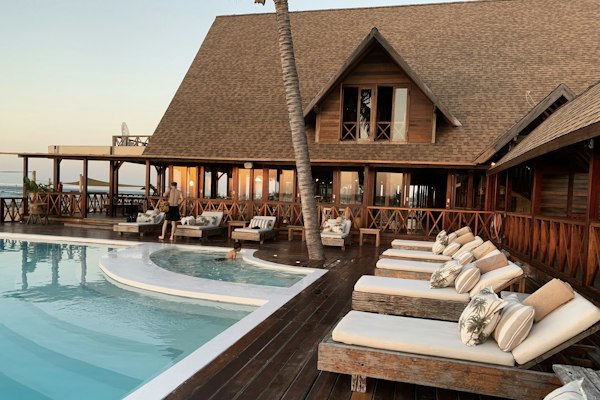
Set in a 12th-century villa with terraced gardens that drop to the sea, this is the most romantically positioned hotel on the coast. Frescoed suites, a serene pool, and a terrace that stops conversation entirely.
Affiliate link — I earn a small commission if you book, at no cost to you.
Getting Around
The ferry is almost always faster than the road. Services run regularly between Positano, Amalfi, and Salerno from April through October — buy tickets at the dock and check the last departure time before you commit to a long lunch. For the towns themselves, the best way is on foot: the coastal paths above the road offer views the drivers never see.
If you do hire a car, drive it to Ravello or Paestum and leave it there. The SS163 between Positano and Amalfi is genuinely difficult — one lane, sheer drops, and coaches that require every centimetre of road. It is, however, a very good story afterwards.
What to Eat
Stick to the Campanian classics: spaghetti alle vongole, grilled fish straight off the boats in Cetara, anything made with the local sfusato amalfitano lemons. Avoid the restaurants with picture menus and a host standing in the doorway. Walk ten minutes uphill from the main piazza of any town and the quality doubles and the prices halve.