Kyoto in November is one of those travel experiences that people struggle to describe without reaching for clichés. The maples turn red, then amber, then a deep burgundy that makes the grey stone of the temple walls look freshly scrubbed. You understand, walking the path to Fushimi Inari at first light, why this city has inspired more ink than any other in Japan.
Japan's ancient capital rewards the traveller who moves slowly. Most visitors spend two nights and leave having seen the highlights from behind a selfie stick. Spend five days, and you start to understand the city's rhythm — the early morning hush before the tourist buses arrive, the quiet neighbourhood temples that charge no entry fee and see no queues.
When the Foliage Peaks
Autumn colour in Kyoto typically peaks between mid-November and early December, though it shifts by a week or two each year. The Japan Meteorological Corporation publishes forecast maps from October — worth checking before you book. The best early colour is usually in the northern mountains around Kurama and Kibune, with Higashiyama and the central temple districts following a week or so later.
Where to Base Yourself
Staying in Higashiyama — the eastern hills district — puts you within walking distance of Kiyomizudera, Kodai-ji, and the stone-paved lanes of Ninenzaka and Sannenzaka. For the most atmospheric experience, choose a traditional machiya townhouse or a ryokan over a hotel. The ritual of the evening kaiseki meal and the morning onsen sets the tone for the entire visit.
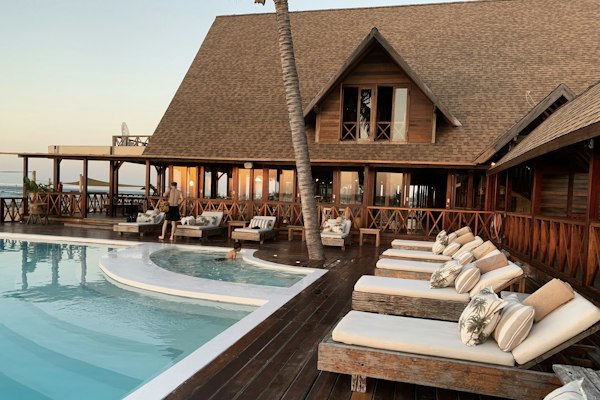
Recommended Stay · Kyoto
Hoshinoya Kyoto
Only accessible by boat up the Oi River in Arashiyama, Hoshinoya is a ryokan unlike any other. Contemporary rooms in a traditional structure, an open-air onsen, and a kaiseki dinner that earns its Michelin star. The forest setting in autumn is extraordinary.
Affiliate link — I earn a small commission if you book, at no cost to you.
What to See
Beyond the famous temples, Kyoto rewards wandering. The Nishiki Market is four narrow blocks of everything edible — pickled vegetables, fresh tofu, grilled skewers. The Philosopher's Path, a canal-side walkway between Ginkaku-ji and Nanzen-ji, is at its best in the early morning when the light comes through the maples at a low angle. And the Fushimi Inari trails, if you walk past the first hour's worth of torii gates, become surprisingly empty and wild.
Getting Around
Kyoto's bus network covers almost everything, though it gets congested in autumn. The subway is faster for north-south journeys. For Arashiyama and the western temples, the Randen tram is charming and surprisingly useful. Taxis are metered and honest — a reasonable option for early morning temple runs when buses haven't started yet.