Rome rewards the visitor who accepts early on that they cannot see everything. There is simply too much — layers of history stacked so densely that even Romans navigate their city with a degree of overwhelm. The approach that works is to choose a neighbourhood, walk it until you know it, eat where it eats, and let the ancient city appear around you rather than chasing it from sight to sight.
The Colosseum, the Forum, the Vatican — these are non-negotiable and genuinely extraordinary, but they represent perhaps ten percent of what Rome contains. The medieval Jewish Ghetto, the Baroque fountains of the Piazza Navona, the early Christian mosaics of Santa Prassede, the view from the Gianicolo hill at sunset — these are the details that make Rome a city rather than an open-air museum.
Avoiding the Queues
Book the Colosseum, the Vatican Museums, and the Borghese Gallery well in advance — all three require timed entry and sell out weeks ahead in high season. The Colosseum is best in the early morning or late afternoon when the light is lower and the crowds thinner. For the Sistine Chapel, go on the last Sunday of the month when the Vatican Museums are free — counterintuitively, it's often less crowded than paid days because visitors assume the opposite.
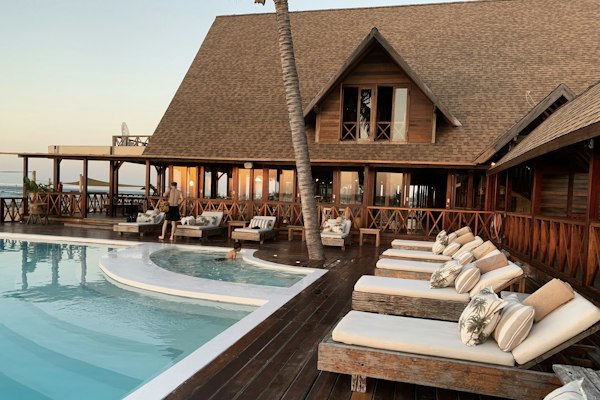
Recommended Stay · Rome · Historic Centre
Hotel de Russie
Between the Piazza del Popolo and the Spanish Steps, the de Russie is Rome's most quietly glamorous hotel. The terraced garden, the bar (a Roman institution), and the rooms facing the garden make it the city's finest address for those who want to be in the centre but not overwhelmed by it.
Affiliate link — I earn a small commission if you book, at no cost to you.
What to Eat
Roman food is deceptively simple. Cacio e pepe, carbonara, coda alla vaccinara, supplì — all based on a small number of ingredients used with great technique. The food is best in the neighbourhoods away from the main sights: Testaccio (the old slaughterhouse district, now the city's food heartland), Pigneto (younger, less known, excellent value), and the streets behind Campo de' Fiori at lunch. For gelato, look for the shops that keep their gelato in covered metal containers rather than piled high in artificial-coloured mounds — a reliable indicator of quality.
The Less-Visited Rome
The Aventine Hill has one of Rome's best-kept secrets: looking through the keyhole of the Knights of Malta priory gate, the perfectly framed dome of St Peter's appears at the end of a long garden avenue. The Appia Antica — the ancient cobbled road running south from the city walls — is best explored by bicycle on a Sunday morning when it's closed to traffic. The Protestant Cemetery in Testaccio, where Keats and Shelley are buried, is one of the most peaceful places in the city.